Ster
A UX case about working on a large-scale legacy platform in a multidisciplinary team, balancing user needs, business goals, and technical constraints.
Introductie
During my internship at Hike One, I worked on the redesign of a complex internal platform used by Ster. Because this product plays an important role in daily operational processes, the project required more than visual redesign alone. It involved understanding existing workflows, identifying friction in the current experience, and translating insights into clearer and more usable flows within a larger long-term product trajectory.
Although I worked on this project as a UX Design Intern, I was trusted with my own design responsibility within the larger team. I contributed independently to a specific part of the project, while collaborating closely with designers, developers, and stakeholders.
Due to a non-disclosure agreement, I cannot share interface visuals or internal deliverables from this project. This case therefore focuses on my design process, role, collaboration, and key learnings.
The challenge
The challenge was to contribute to the redesign of a legacy system that had grown over time and become complex to work with. Instead of focusing only on visual improvement, the project asked a deeper design question: how can a complex internal system better support employees in their daily work while respecting organisational, technical, and project constraints?
Het Process
1
context
2
Research
3
Design
4
Iteration
1
Understanding the context
Because this was a large and complex product, I first had to understand the broader context: the users, the workflows, the organisational setting, and the constraints of working on a legacy system.
2
Research and insight gathering
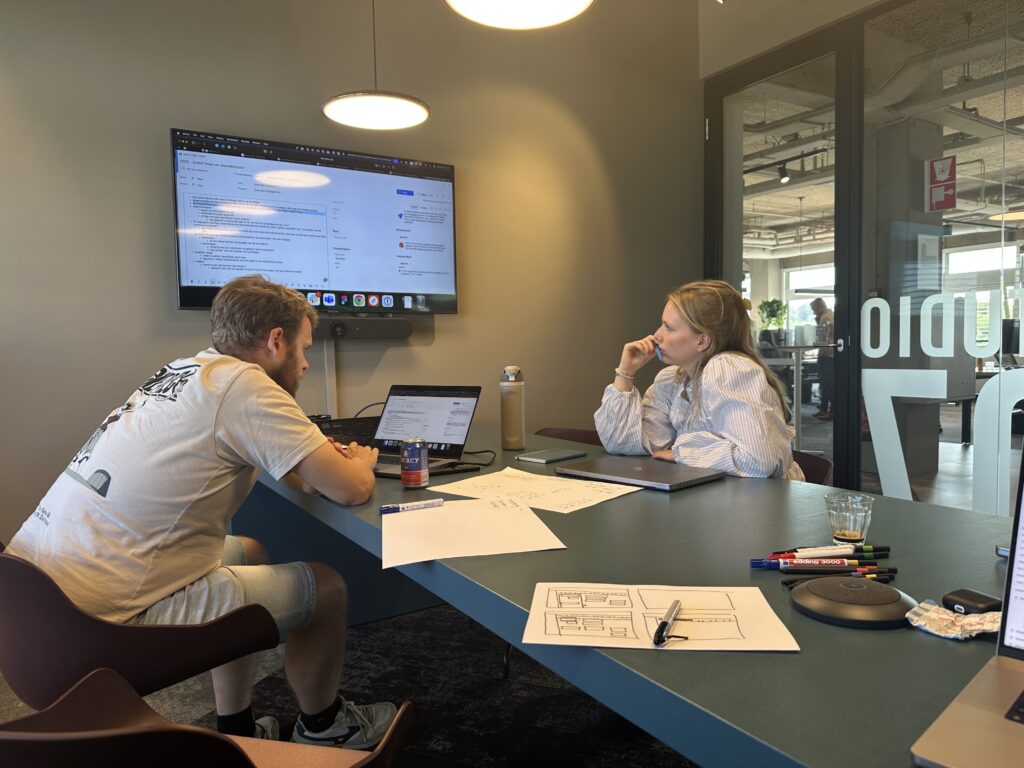
I contributed to collecting and structuring insights from users and stakeholders. This helped me understand where friction existed in the current experience and what users needed from a better flow.
3
Translating insights into design
Based on these insights, I worked on translating abstract challenges into more concrete user flows and prototype ideas. One of the most important lessons here was that good design decisions had to fit not only user needs, but also technical and organisational realities.
4
Iteration and feedback
The project involved frequent feedback loops. I discussed my work in team settings, reflected on input from others, and iterated on my designs to make them more realistic, usable, and aligned with the broader product direction.
Outcome
One of the most valuable parts of this project was learning how UX design works inside a multidisciplinary team. I collaborated with designers, developers, and stakeholders, which taught me that design is not only about creating solutions, but also about alignment, communication, and making decisions together. This project taught me how to frame a design problem more clearly, how to work iteratively instead of rushing toward a solution, and how to communicate design decisions in a professional setting. It also made me more aware of the role of UX in complex digital systems, where user needs, technical constraints, and organisational goals constantly influence each other. This project deepened my interest in digital design beyond interface-making alone. It showed me how design can shape complex systems and how important research, collaboration, and critical thinking are in that process.
Andere projecten
Geselecteerde projecten
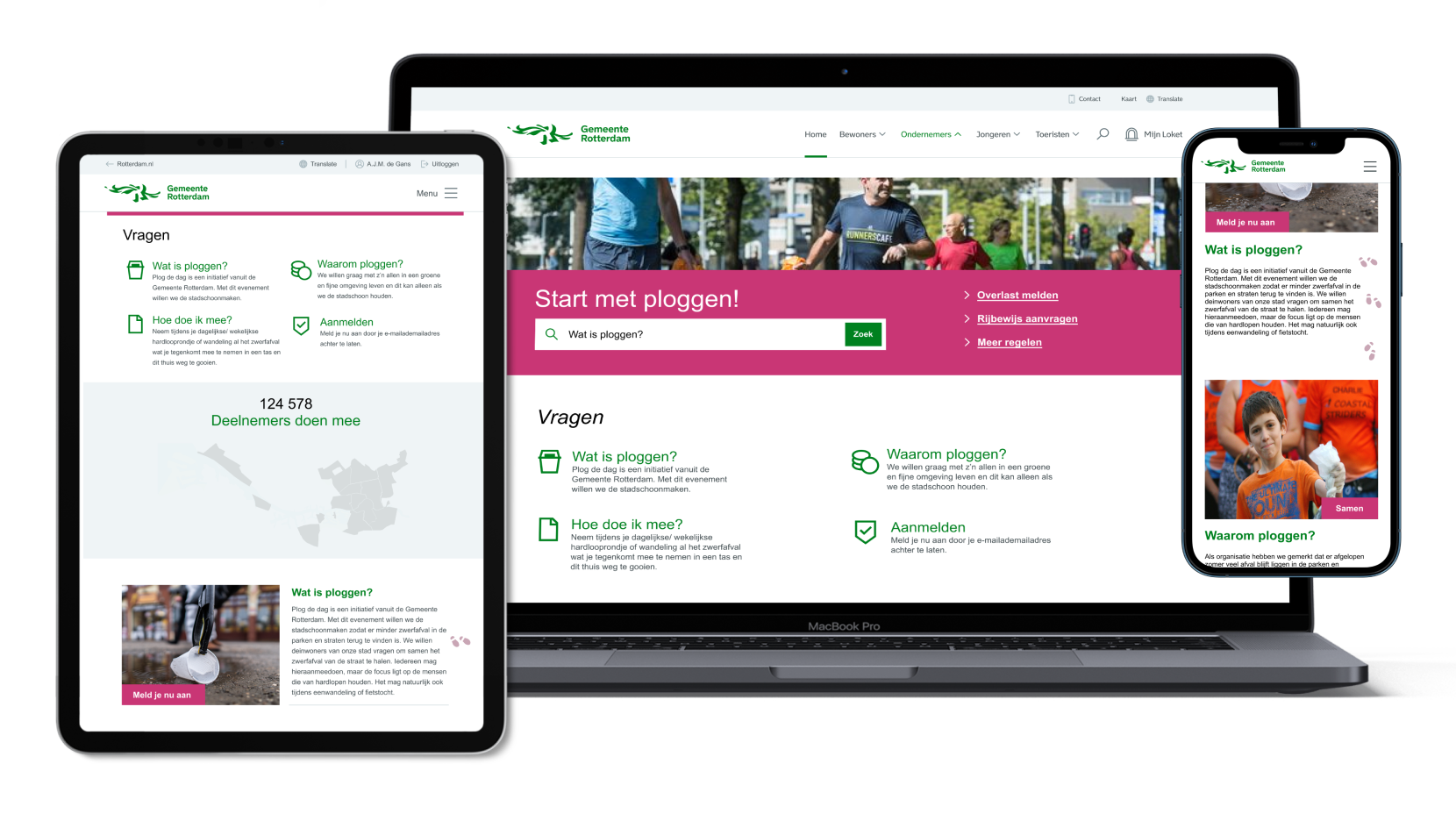
Plog de dag
Een project van de Gemeente Rotterdam. Dit om de stad op te schonen door inwoners te stimuleren om zwerfafval op te rapen.
Multi Device
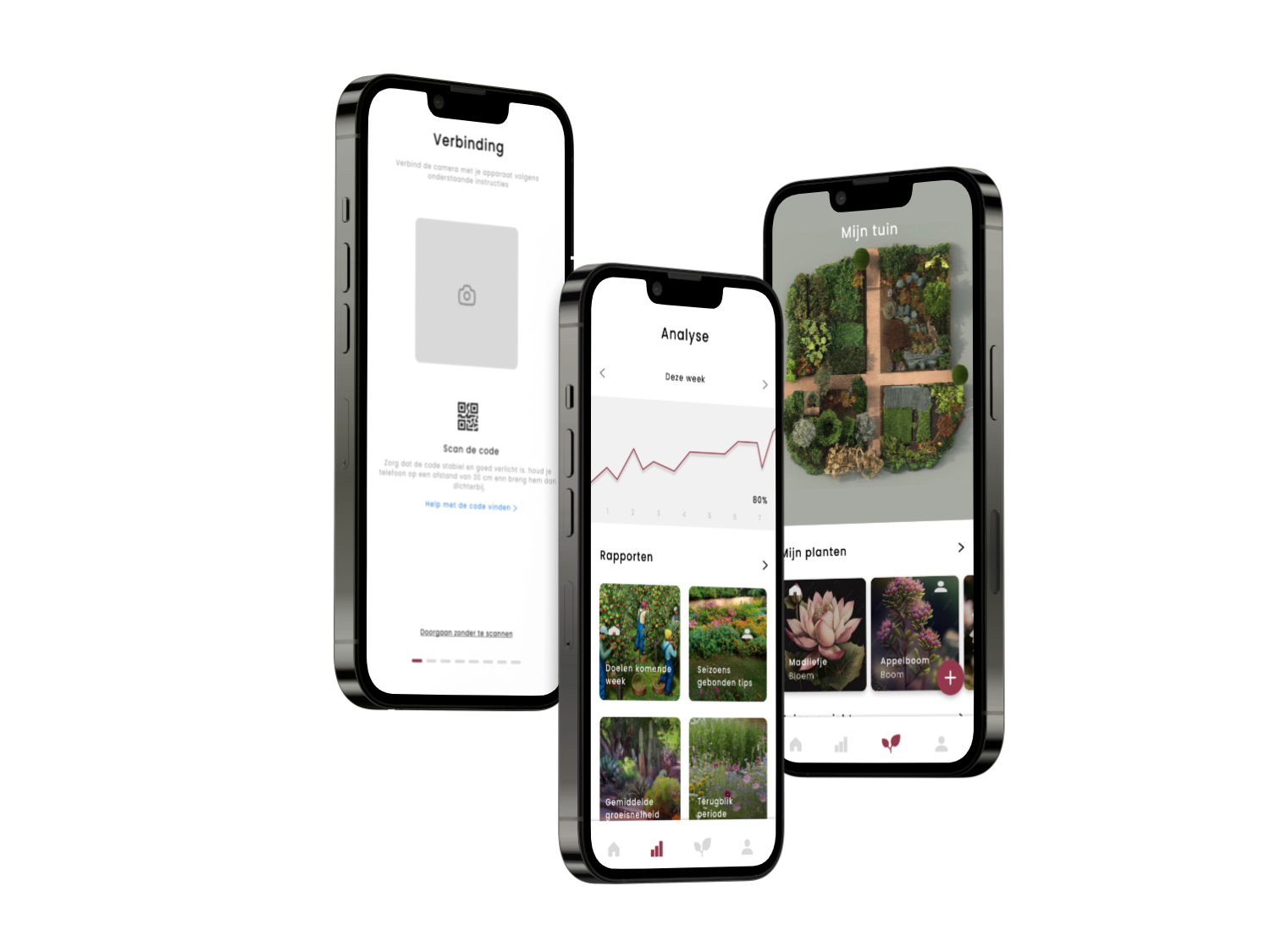
Creëert de perfecte tuin. Ontwerpt, bewaakt en beheert moeiteloos een tuin op diverse apparaten.
Links
Get In Touch
© Ananda van der Meulen 2023